
Shop Light, Live Full: The Joy of Waste‑Free Groceries
Today we explore Zero-Waste Grocery Strategies for Conscious Consumers with a friendly, practical lens. Expect planning tricks, packaging workarounds, and flavorful ideas that honor your budget and the planet. Bring a notebook, your curiosity, and maybe a few jars—then share your own victories or questions in the comments to inspire others.
The Five-Minute Fridge Audit
Open the door, set a five‑minute timer, and list what must be used within three days. Group by meal ideas, not shelves. Snap a photo for reference. This tiny ritual turns mystery containers into tonight’s plan and keeps good intentions from disappearing behind condiments.
Menu Mapping That Respects Real Life
Instead of rigid weekly grids, sketch anchor meals around perishables and schedule two rescue nights for leftovers or quick pantry bowls. Busy Tuesday? Plan something forgiving. Visiting friends? Leave space. Flexibility prevents waste and reduces takeout temptation when real life inevitably edits your calendar.
Portion Math Without the Headache
Use simple ratios: one cup dry grains yields three cups cooked; a palm‑sized protein per person; two handfuls of greens each. Buy bulk when you truly finish it. These easy cues prevent overbuying while keeping meals satisfying, colorful, and nutritionally balanced.
Packaging-Savvy Choices in Every Aisle
Every aisle offers packaging decisions that echo long after dinner. Favor durable, recyclable, or refillable options, and skip single‑use where practical. Choose glass, metal, or sturdy paper when available, and explore bulk bins. I saved money and plastic simply switching from bagged rice to refilling one faithful jar for months.

Bulk Bins Without the Guesswork
Bring containers pre‑weighed, labeled with their tare, and a short list with quantities by recipe, not vague hopes. Start with familiar staples like oats or lentils. If uncertain, test a small amount. Bulk becomes friendly when measured against meals you already love cooking weekly.

The Refill Kit That Actually Fits
Keep a lightweight kit: two nesting jars, a couple of cloth produce bags, a foldable box, and a wax wrap. Stash it by the door. If you forget, borrow a paper bag and refill at home. Progress, not perfection, sustains momentum and confidence.

Fresh Produce: Buy, Store, and Use It All
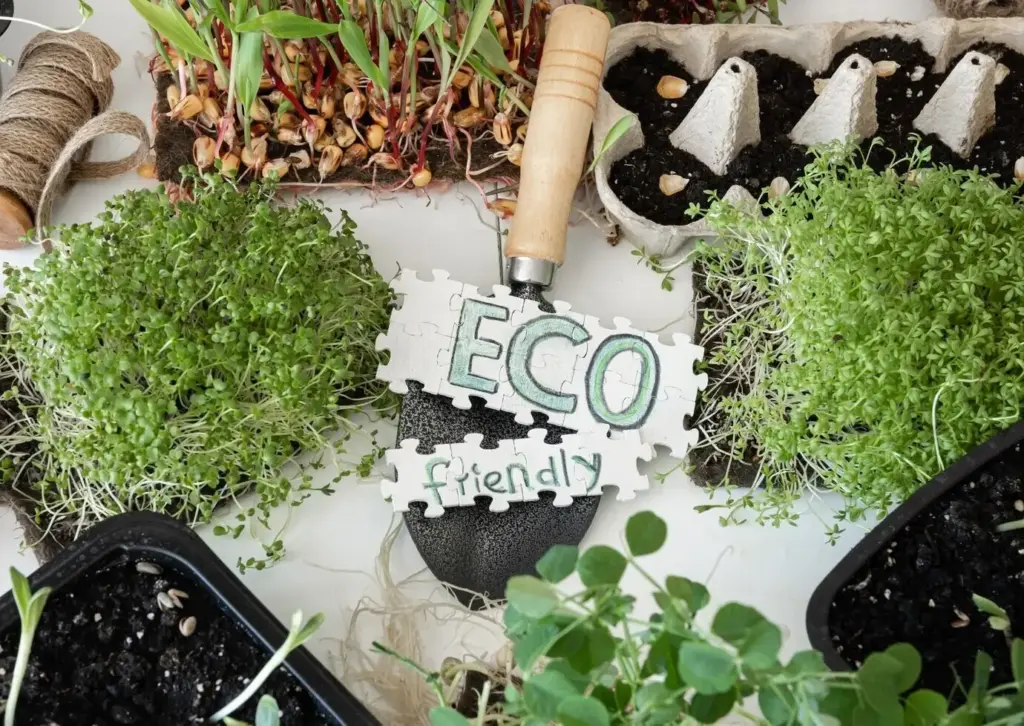
Produce becomes joyful when you buy just enough, store it like a pro, and use every edible part. Seasonal choices taste brighter and last longer. Proper humidity, airflow, and ripeness timing prevent sad wilted greens, while root‑to‑stem cooking turns scraps into sauces, broths, and crunchy garnishes.
Talking to the Butcher or Deli With Confidence

A friendly greeting sets the tone. Politely ask if they can weigh your container or wrap cuts in paper instead of plastic. Many counters are happy to help within policy. Clear requests, patience, and gratitude build relationships that make sustainable choices easier every visit.
Plant-Forward Proteins That Simplify Packaging

Dry beans, lentils, peas, tofu in minimal wraps, and nuts from bulk offer excellent nutrition with fewer containers. Season boldly, rotate textures, and cook double for tomorrow’s lunches. Embracing these staples lowers cost, simplifies storage, and adds variety that keeps meals exciting and satisfying.
Cultured Dairy at Home, Simplified

Yogurt, kefir, and labneh can be made with basic tools, reducing tubs and lids while delivering rich taste. Start small with a trusted guide. Reuse jars, label dates, and flavor with seasonal fruit. The process feels rewarding, thrifty, and deliciously customizable for families.
Checkouts, Receipts, and Digital Habits
At the register, small choices matter. Ask for digital receipts when possible, since many thermal papers contain problematic coatings. Decline disposable bags, scan loyalty cards from your phone, and organize jars safely. Afterwards, log savings and avoided packaging, turning awareness into habits that compound like interest over months.
Paperless Proofs Without Privacy Panic
Use merchant apps or dedicated email filters to keep receipts searchable without cluttering your main inbox. Avoid sharing more data than necessary. When paper is unavoidable, skip handling and photograph it. These practices protect health, simplify returns, and prevent scattered slips from breeding drawer chaos.
A Reusable Payment Flow That Sticks
Keep your kit in the same pocket, tuck jars upright in a tote, and place your phone wallet within reach. Repeat the sequence every checkout. Routines remove friction, reduce spills, and make low‑waste shopping feel smooth, quick, and pleasantly ordinary rather than fussy.
Community, Sharing, and Staying Motivated
Personal commitment grows stronger inside community. Share jars, split bulk buys, swap compost tips, and map local refilleries. Join a CSA or food‑rescue event. Small collaborations reduce costs and spark accountability. Leave a comment, subscribe for bite‑size ideas, and invite a friend to shop together next week.
All Rights Reserved.